Marque & Reprisal Fishing & Whaling
Nets, species, Grand Banks schools, harpoons, blubber, and which markets pay for what you pull aboard.
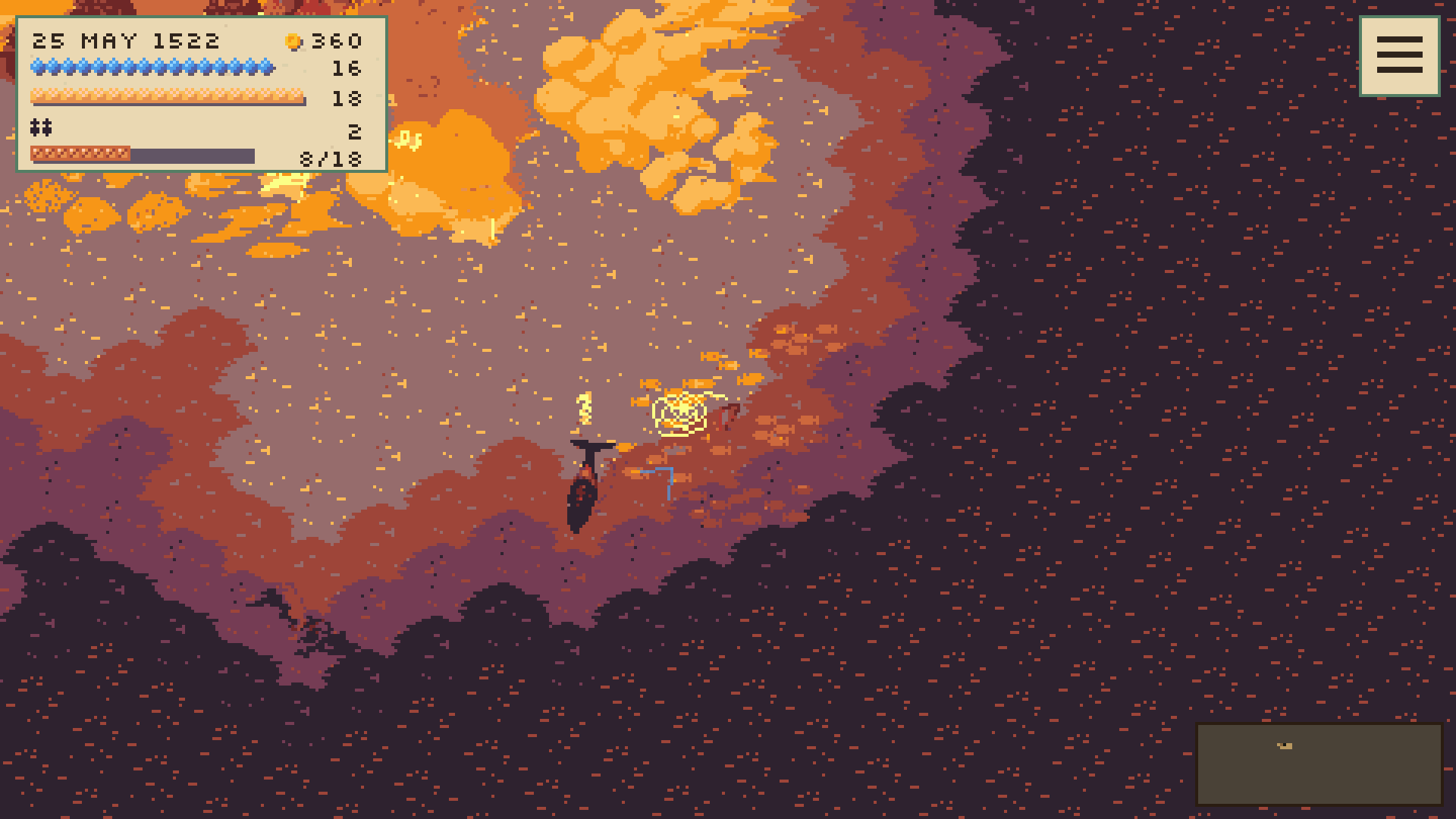
The ocean in Marque & Reprisal is a workplace, not just a highway. Fishing feeds the crew and fills the purse between ports; whaling offers richer blubber prizes with sharper risk. Multiple fish species and several whale species with ecologically accurate ranges swim the 655,362-tile Earth map. This guide covers nets, upgrades, famous grounds like the Grand Banks, harpoon work, and how to sell the catch without starving on the way to market. Pair it with Trade Routes for price sense and Survival so a long cast never becomes a death sentence.
Why fish on every passage
Fishing is the steady income of a new captain. Cast while you sail short hops in the Mediterranean demo or along any coast in the full game. Catch becomes food and trade goods. A better ship and a better net land more fish; skilled crewmates improve results too. Check experience readouts so you know who is pulling their weight on deck.
Make fishing a habit, not an afterthought:
- Leave port with enough stores to reach the next dock even if the nets come up light
- Cast on legs where wind work is stable — Sailing Controls
- Compare fish prices at the next market before you assume every port wants the same species
- Upgrade nets when two or three loops already pay for themselves
Empty nets are annoying. Empty water casks are fatal.
Species and grounds
Many species swim regionally. Treat the demo’s Mediterranean and Black Sea waters as a classroom for casting, hauling catch, and selling. In the full 1522 world, famous banks and coastal shallows concentrate schools — the Grand Banks are a showcase fishery where dense cod and other groundfish can fill a hold if you bring the right net and patience.
Learn grounds the way you learn trade spreads: visit, sample, note what sold well, return when stores and weather agree. NPC traffic and your own landings nudge local demand, so a glut can follow a hot streak.
Nets, ships, and crew
Upgrading the net raises how much you pull per effort. Upgrading the hull changes how much you can carry and how safely you work rough water. Crew skills matter — a fishing-minded mate is worth a bunk. When you change ships, review cargo space carefully so a smaller hold does not force you to dump a prize catch; sell excess at a lawful port when the exchange flow allows. Hull roles are ranked on the Ships Tier List.
Tutorial fishing teaches the cast-and-sell loop with the same systems as the voyage. Replay it if menus feel opaque after a patch — see Launch Notes.
Selling the catch
Not every pier pays top coin for every species. Open Prices, compare fish quotes to other cargos, and remember duties. Sometimes the best move is to eat part of the catch and sell the rest where demand spikes. One-unit tests still work: sell a sample, then decide whether to flood the market. Merchant ? tips can point at non-fish cargos; use judgment when your hold is already silver with scales.
If war or standing locks a rich fish town, reroute rather than pick a fight you cannot win — Combat & Piracy.
Whales: ranges, calves, and blubber
Whales are the great prize. Multiple species roam with realistic ranges and behaviors. They breed; you will often see a calf following its mother. Harpoon a whale, survive the tow and the thrash, and collect valuable blubber for sale.
Whaling is not starter content. Bring:
- A hull that can chase and endure
- Crew who can work the line
- Stores for a fight that runs long
- A plan to reach a market that pays for blubber before spoilage and hunger catch you
Do not open a whale hunt in a storm, with half a day of water, or under a red-outlined warship’s nose. The screenshot fantasy of a right whale towing your ship is real enough — treat it as industrial danger, not a side mini-game.
Grand Banks mindset
Working the Grand Banks (and other rich grounds) rewards preparation: charts in your head, nets upgraded, hold space reserved, and a exit bearing toward a paying port. Stay disciplined about weather. Lightning and rising seas kill fishers as readily as traders. If the banks are fat but the sky is wrong, leave fish for a captain who still has a pulse.
Fishing versus pure trade
A spice run can out-earn a week of nets — when it works. Fishing smooths cashflow, tops up food, and teaches seamanship on short loops. Many first captains should fish every passage while they test one-unit trade ideas from Getting Started. Later captains mix both: nets on the working legs, bulk cargo on the proven spreads, whales when the ship finally deserves the risk.
Colonies and new markets for catch
New World colonies you help found can open piers that want protein and oil. Factor founding detours into water and food math. A colony delivered by a starving crew is a story; a colony delivered with surplus catch is an economy.
Practical loop
- Stock food and water — always
- Sail a short hop on a friendly wind
- Fish on the way
- Dock, sell catch where Prices smile, restock stores
- Reinvest in net or hold when the loop is boringly reliable
- Attempt whales only after combat and survival habits are solid
Mistakes that waste a fishery
- Chasing whales in a cockleshell
- Filling the hold with fish and zero fresh water
- Ignoring Prices and selling a premium species in a glut port
- Fighting pirates over a netful you could replace tomorrow
- Staying on the banks through a black squall line
Return to the Guides Hub for sailing, trade, and combat companions. Use Demo Tips in the Mediterranean, compare workboats on the Tier List Hub, and keep official links on the Links Hub. The sea feeds captains who treat nets as craft — and whales as expeditions.
Frequently Asked Questions
Quick answers for captains planning their next voyage.
How do I make money fishing in Marque & Reprisal?
Cast nets while sailing, upgrade your ship and net to catch more, and sell species where Prices show strong demand. Fish also replenishes food for the crew.
Where are good fishing grounds?
Regional schools appear across the map; the Grand Banks are a showcase dense fishery. Learn grounds by sampling catches and comparing sale prices at nearby ports.
How does whaling work?
Harpoon a whale within its realistic range, survive the fight, and collect blubber to sell. Multiple species breed and travel with calves — bring a sturdy ship and full stores.
Should new captains hunt whales?
Not first. Master short fishing loops and basic survival first. Whaling is a high-reward hunt for upgraded hulls and experienced crews.
Do crew skills affect fishing?
Yes. Skilled crewmates improve results. Watch crew experience and bunk counts when you upgrade or exchange ships.